
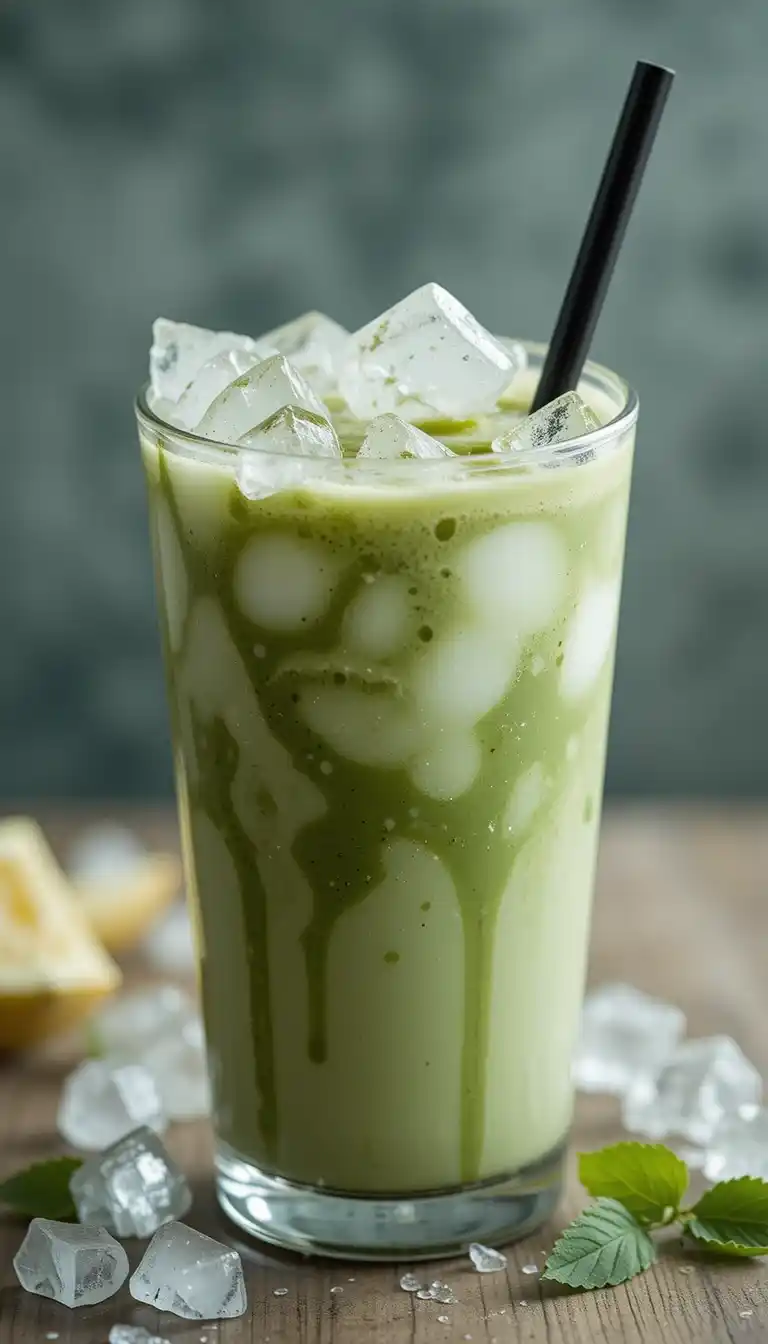
Editorial note: This recipe is shared for flavor and general nutrition information. No single food or drink causes weight loss or replaces individualized advice from a qualified health professional.
This low-calorie iced matcha latte is a chilled blend of matcha, milk, ice, and optional sweetener. It is colorful, customizable, and caffeinated; it should not be presented as a weight-loss, metabolism, immunity, heart, or stress treatment.
Matcha is finely ground green tea. Making the latte at home lets you choose the milk and sweetness without labeling the drink “guilt-free” or assigning it medical benefits.
This guide covers matcha basics, preparation, variations, estimated nutrition, and practical tips for a smooth iced latte.
What Is Matcha?
Matcha is finely ground green tea powder. Because the leaf powder is consumed, the drink contains tea compounds as well as caffeine; amounts vary with the matcha and serving.
What makes matcha unique is how it’s cultivated. The tea plants are shaded for several weeks before harvest, increasing chlorophyll and amino acid content. This gives matcha its bright green color and smooth, umami-rich taste. It contains caffeine for energy, plus L-theanine, which promotes calm focus.
In this iced latte, matcha primarily provides the earthy tea flavor, green color, and caffeine.
History of Matcha
Matcha has a fascinating history that dates back nearly a thousand years. It originated in China during the Tang Dynasty (7th–10th century), when tea leaves were steamed, dried, and ground into a fine powder for brewing. Later, in the 12th century, Buddhist monks brought this powdered tea to Japan, where it evolved into the matcha we know today.
In Japan, matcha became central to the traditional tea ceremony (chanoyu), a practice deeply rooted in mindfulness, harmony, and respect. Drinking matcha was not just about the beverage itself but also about creating a moment of calm and reflection. Samurai warriors also valued matcha for its ability to provide sustained energy and focus before battle.
Over centuries, matcha spread globally and has now become a modern wellness favorite. Today, it’s used not only in teas but also in lattes, desserts, and even savory dishes. When you sip a Low Calorie Iced Matcha Latte, you’re not just enjoying a trendy drink—you’re also partaking in a centuries-old tradition of wellness and mindfulness.
Matcha: Flavor, Caffeine, and Nutrition
Matcha contains caffeine and plant compounds, but broad health claims from studies on tea or isolated compounds should not be treated as proof that one latte prevents or treats disease.
- Catechins: Matcha contains tea catechins, but a latte is not a medical antioxidant treatment.
- Caffeine: Matcha can increase alertness. Individual response varies, and L-theanine does not guarantee a jitter-free or crash-free experience.
- Weight: Matcha has not been shown in this recipe to cause meaningful fat loss or make calories burn more efficiently.
- Heart health: This latte is not a cholesterol or cardiovascular treatment.
- Stress and focus: A caffeinated drink may feel pleasant or alerting, but it is not a treatment for stress or cognitive symptoms.
- Immunity: Matcha does not “boost” or strengthen the immune system in a clinically established way.
Enjoy the latte for its flavor and caffeine, and consider the full ingredient list and serving size.
Matcha vs. Coffee vs. Green Tea
Coffee, matcha, and steeped green tea differ in flavor, preparation, and typical caffeine. Exact amounts vary by product and serving:
| Feature | Matcha | Coffee | Green Tea |
|---|---|---|---|
| Caffeine (per cup) | ~70 mg | ~95 mg | ~35 mg |
| Energy Release | Steady, calm (thanks to L-theanine) | Quick, sharp boost, often followed by crash | Gentle and mild |
| Antioxidants | Very high (rich in EGCG catechins) | Moderate | High |
| Focus & Relaxation | Boosts focus while calming the mind | Increases alertness but may cause jitters | Relaxing, but less stimulating |
| Calories (unsweetened) | ~0–5 kcal | ~0–5 kcal | ~0–5 kcal |
| Weight Loss Support | Aids fat burning, supports metabolism | May suppress appetite but high-calorie add-ins hurt progress | Supports metabolism modestly |
| Unique Benefits | Combines energy + calm, immune-boosting, detoxifying | Strong energy, appetite suppression | Hydration, gentle energy |
Matcha offers a distinct earthy flavor and moderate caffeine. It does not guarantee “steady energy” or relaxation.
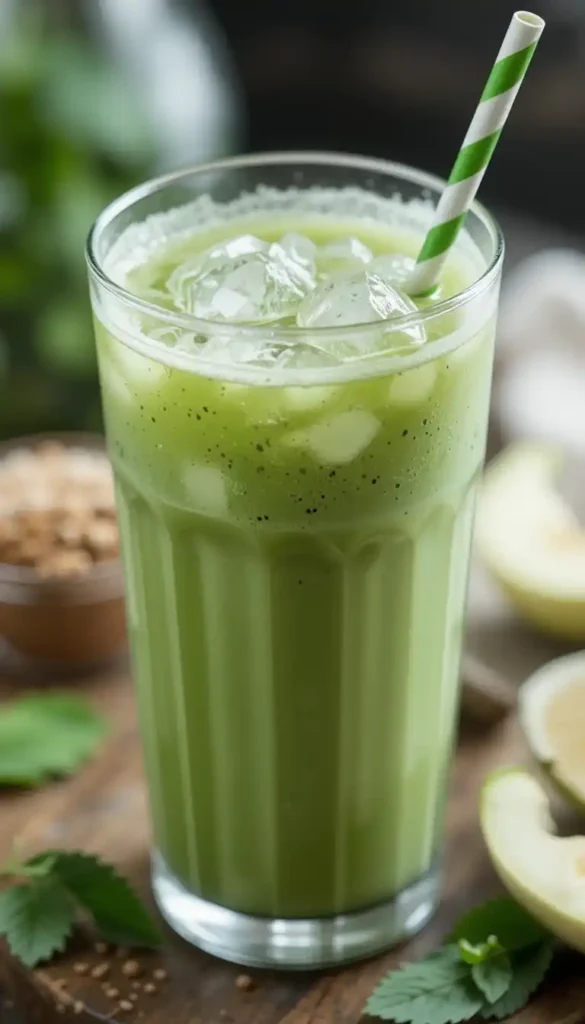
Why Low Calorie Iced Matcha Latte Is a Must-Try
Cafe versions vary widely in milk, syrups, serving size, and calories. Check the actual nutrition information instead of assuming every shop drink has the same total.
A Low Calorie Iced Matcha Latte, however, changes the game. By making it at home with carefully chosen ingredients, you can enjoy a creamy, energizing drink at around 60–100 calories, depending on your milk and sweetener choice.
Here’s why it’s worth trying:
- Customizable calories: Choosing milk and sweetener changes the nutrition total.
- Tea flavor: Matcha contributes characteristic color, aroma, and catechins.
- Caffeine: The effect and duration vary by person, dose, sleep, and other caffeine intake.
- Customizable: Sweetness and creaminess are totally in your control.
- Cheaper at home: Skip the $6 café drinks and enjoy the same quality for a fraction of the price.
In short, this latte isn’t just a trend—it’s a smart, sustainable choice for your body and your wallet.
Ingredients For Low Calorie Iced Matcha Latte
The beauty of a Low Calorie Iced Matcha Latte lies in its simplicity. You don’t need a long shopping list—just a handful of quality ingredients that create a refreshing and nutritious drink. Here’s what you’ll need:
- Matcha powder (1–2 teaspoons): Use high-quality ceremonial grade for the smoothest flavor, though culinary grade works well if you’re blending it.
- Cold water (2–3 tablespoons): Essential for whisking the matcha into a smooth base.
- Milk or milk alternative (1 cup): Unsweetened almond, oat, or soy milk keeps calories low while maintaining creaminess.
- Ice cubes (1 cup): To chill the drink and give it that café-style refreshment.
- Low-calorie sweetener (optional): Stevia, monk fruit, or a small amount of honey/agave if you prefer a natural touch.
- Vanilla extract (¼ teaspoon, optional): Adds depth and enhances the latte’s sweetness without extra sugar.
What’s great is that these ingredients are pantry-friendly and customizable. You can adjust the creaminess by trying different milk options or skipping sweeteners altogether if you prefer a more earthy, traditional matcha flavor.
By keeping your ingredients minimal and mindful, you create a latte that’s not just delicious but also fits seamlessly into a healthy diet.
Equipment Needed
Making a Low Calorie Iced Matcha Latte doesn’t require fancy barista gadgets, but having the right tools ensures a smoother, lump-free, and café-style experience.
Here’s the essential equipment you’ll need:
- Matcha whisk (chasen) or electric frother: A bamboo whisk is traditional, but a handheld frother works perfectly for dissolving matcha without clumps.
- Small bowl or shaker bottle: For mixing matcha with water before adding it to the latte.
- Measuring spoons: Accuracy matters for matcha strength and calorie control.
- Tall glass: The final drink looks and tastes better when served in a clear tall glass filled with ice.
- Spoon or stirrer: For layering and mixing the latte before sipping.
Optional but useful:
- Strainer: To sift matcha powder and avoid clumps.
- Milk frother or blender: If you want an extra creamy, frothy texture.
While you can absolutely whisk matcha with just a spoon, investing in a whisk or frother elevates the texture dramatically, making your latte silky-smooth and professional-looking.
Step-by-Step Guide
Crafting the perfect Low Calorie Iced Matcha Latte is all about layering flavors and textures. Follow these steps for a foolproof, refreshing drink every time.
Preparing the Matcha Base
- Sift 1–2 teaspoons of matcha powder into a bowl to prevent clumping.
- Add 2–3 tablespoons of cold water.
- Whisk vigorously in a zigzag (not circular) motion using a bamboo whisk or electric frother until a smooth, lump-free mixture forms.
Adding Milk Alternatives
- Fill a tall glass with ice cubes.
- Pour in 1 cup of your chosen milk (unsweetened almond or oat milk works best for a creamy yet low-calorie base).
Sweetening Smartly
- Stir in your preferred sweetener—just a few drops of liquid stevia, a teaspoon of monk fruit, or ½ teaspoon of honey if you don’t mind a few extra calories.
- For added depth, mix in a splash of vanilla extract.
Combine and Enjoy
- Slowly pour the prepared matcha base over the milk and ice, creating a beautiful layered effect.
- Stir gently to blend, or enjoy as-is for a striking green-on-white presentation.
And just like that, you’ve created a café-worthy iced matcha latte—minus the sugar overload and unnecessary calories.
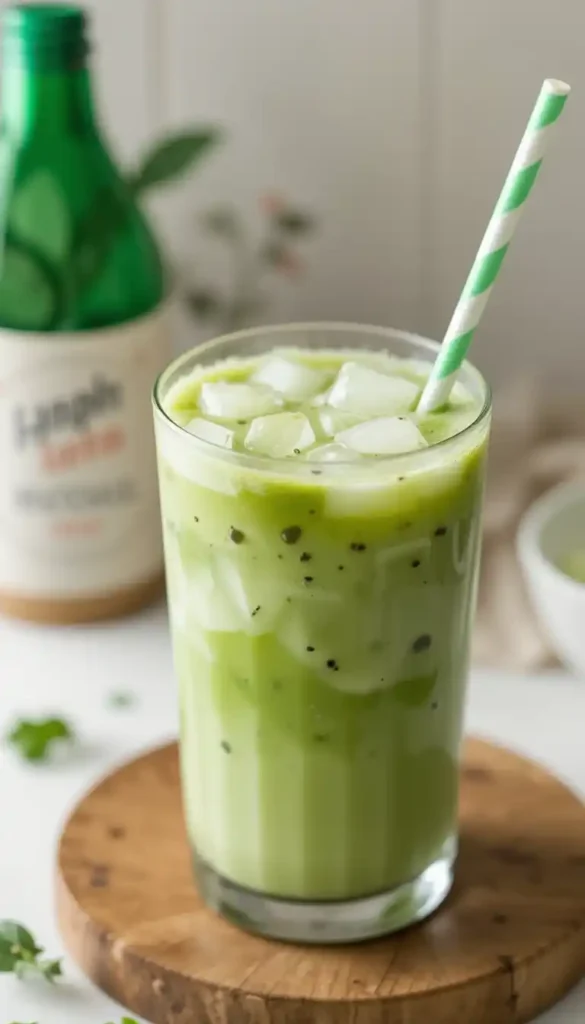
Variations Of Low Calorie Iced Matcha Latte
One of the best things about a Low Calorie Iced Matcha Latte is how adaptable it is. Depending on your mood, dietary needs, or taste preferences, you can customize it endlessly. Here are some delicious variations:
- Coconut Matcha Latte
- Replace almond or oat milk with light coconut milk for a tropical twist.
- This adds creaminess without piling on excess calories.
- Protein-Packed Matcha Latte
- Blend in a scoop of vanilla or unflavored protein powder.
- Great for post-workout recovery while keeping you full longer.
- Minty Fresh Matcha Latte
- Add a few fresh mint leaves or a drop of mint extract.
- Perfect for a cooling, refreshing summer vibe.
- Spiced Matcha Latte
- Sprinkle a little cinnamon or nutmeg into the mix.
- These warming spices pair beautifully with matcha’s earthy flavor.
- Creamy Dessert-Style Matcha Latte
- Use a splash of sugar-free vanilla creamer.
- Still low calorie, but tastes like a sweet treat.
With a little creativity, you can enjoy a new version of this latte every week without getting bored.
Tips for the Best Low Calorie Iced Matcha Latte
If you’ve tried making matcha at home and found it clumpy or bitter, don’t worry—you’re not alone. Here are proven tips to make your latte smooth, creamy, and café-quality:
- Sift your matcha: This removes lumps and ensures a silky texture.
- Whisk with the right motion: Use a “W” or “M” motion, not circles, for frothier results.
- Use cold, filtered water: It prevents bitterness and enhances the pure matcha taste.
- Choose unsweetened milk alternatives: Keeps calories low while still creamy.
- Sweeten gradually: Start small with your sweetener, then adjust to taste.
- Serve in a tall glass: Presentation matters—layered lattes look stunning.
- Experiment with flavors: Vanilla, mint, or cinnamon can elevate your drink without adding extra sugar.
By following these tips, you’ll never have to spend $6 at a coffee shop again—you’ll have mastered the art of matcha at home.
Make Ahead and Storage Tips
Want to save time during busy mornings? The good news is, you can prepare parts of your Low Calorie Iced Matcha Latte ahead of time.
- Pre-mix the matcha base: Whisk matcha powder with water, then store it in a sealed jar in the fridge for up to 2 days.
- Chill your milk separately: Keep a bottle of unsweetened almond or oat milk ready in the fridge.
- Assemble when needed: Just pour milk and ice into a glass, then add your pre-made matcha base.
Storage tips:
- Avoid storing fully assembled lattes with ice, as it waters down the flavor.
- If sweetening with honey or syrup, add it before refrigerating the matcha base to ensure even blending.
- For on-the-go convenience, use a shaker bottle—add ice right before drinking.
This way, you’ll always have a refreshing, low-calorie latte waiting for you, without rushing in the morning.
Nutrition Breakdown
Here’s an approximate nutrition profile for a single serving of Low Calorie Iced Matcha Latte made with unsweetened almond milk and stevia:
| Nutrient | Amount (per serving) |
|---|---|
| Calories | 70 kcal |
| Protein | 2 g |
| Carbohydrates | 6 g |
| Sugar | 1 g |
| Fat | 3 g |
| Fiber | 1 g |
| Caffeine | ~70 mg |
Key takeaways:
- The estimate is under 100 calories only with the listed ingredients and serving size; substitutions can change it.
- Caffeine may be similar to a small coffee depending on the matcha amount, but the experience is individual and is not guaranteed to be smoother.
- Matcha contains catechins; this latte has not been shown to improve metabolism or heart health.
Use it as a mid-morning or afternoon drink if the caffeine timing works for you.
Common Mistakes to Avoid
Even though a Low Calorie Iced Matcha Latte is simple to make, a few mistakes can easily ruin the flavor or texture. Here are the most common pitfalls and how to avoid them:
- Using boiling water
- Very hot or boiling water can make matcha taste more bitter. Cool or warm water often produces a softer flavor.
- Skipping the sift
- Matcha clumps easily. If you don’t sift, you’ll end up with lumps floating in your latte.
- Using sweetened milk
- Sweetened milks can add more sugar and calories than unsweetened versions. Read the label and choose the flavor and nutrition you prefer.
- Over-sweetening
- Add sweetener to taste. Sugar, stevia, monk fruit, and syrups differ; sweetness does not need a “guilt-free” label.
- Not whisking properly
- Sifting and whisking help disperse the fine powder, though a tightly sealed jar or frother can also work.
- Forgetting the ice factor
- Adding too little ice results in a lukewarm latte. Too much ice waters it down. Balance is key.
These adjustments improve texture and flavor. “Healthier” depends on the ingredients and the person’s needs.
FAQs
1. Is a Low Calorie Iced Matcha Latte good for weight loss?
No drink is inherently “good for weight loss.” This recipe may be lower in calories than some cafe versions, but it does not suppress cravings, boost metabolism, or cause fat loss.
2. Can I use regular milk instead of almond milk?
Yes. Dairy or plant milk can be used. Calories, protein, sugar, allergens, and texture vary by product, so compare labels rather than assuming every plant milk is lower calorie.
3. How much caffeine does it contain?
Caffeine varies by matcha type and amount; around 70 mg is only an estimate. L-theanine does not guarantee a slow release or prevent jitters.
4. Can I make it without sweetener?
Yes, you can skip sweetener entirely if you enjoy the natural earthy flavor of matcha. High-quality ceremonial matcha already has a smooth, slightly sweet taste. If you prefer a touch of sweetness without sugar, you can add stevia, monk fruit, or even a splash of vanilla extract. This way, the latte stays flavorful and low in calories.
5. How do I prevent clumps in my latte?
Clumps happen because matcha powder is very fine and tends to bind together. To avoid this, always sift your matcha before whisking and use a bamboo whisk or electric frother. Start by mixing the matcha with a small amount of water first, creating a smooth paste, before adding more liquid. This ensures a silky, lump-free latte every time.
6. Is it safe to drink daily?
Daily suitability depends on caffeine tolerance, pregnancy, medications, conditions, and total caffeine from other sources. It is not automatically safe or beneficial for everyone.
Related Posts
https://dailytastebites.com/mint-cucumber-lemon-water/
https://dailytastebites.com/whats-the-pink-salt-trick-for-weight-loss/
https://dailytastebites.com/brazilian-mounjaro-recipe-with-apple-cider-vinegar-for-weight-loss/
Conclusion
This iced matcha latte is a refreshing homemade alternative to many cafe drinks. The milk and sweetener are customizable, and the nutrition estimate depends on the exact ingredients.
Serve it after a workout, during the afternoon, or as a treat if the caffeine timing suits you. The recipe is a beverage, not a wellness program.
If you read more about matcha research, distinguish findings about tea or isolated compounds from claims about this specific latte.
For a cool, creamy matcha drink, make it at home and adjust the flavor and sweetness to your preference.
Print
Low Calorie Iced Matcha Latte
- Prep Time: 5 minutes
- Total Time: 5 minutes
- Yield: 1 serving 1x
- Category: Beverage
- Method: Whisked & Poured
- Cuisine: Japanese-Inspired
- Diet: Vegan
Description
A refreshing and energizing Low Calorie Iced Matcha Latte made with simple, healthy ingredients. Smooth, creamy, and under 100 calories—perfect for a guilt-free pick-me-up.
Ingredients
- 1–2 teaspoons matcha powder (ceremonial or culinary grade)
- 2–3 tablespoons cold water
- 1 cup unsweetened almond or oat milk
- 1 cup ice cubes
- 2–3 drops liquid stevia or 1 tsp monk fruit (optional)
- ¼ teaspoon vanilla extract (optional)
Instructions
- Sift matcha powder into a small bowl.
- Add cold water and whisk in a zigzag motion until smooth and frothy.
- Fill a tall glass with ice cubes.
- Pour in unsweetened almond or oat milk.
- Add the prepared matcha base on top.
- Sweeten with stevia or monk fruit, and stir gently.
- Serve immediately and enjoy!
Notes
- For a creamier texture, use oat milk.
- Add protein powder for a post-workout version.
- Always use sifted matcha for a smoother drink.
Nutrition
- Serving Size: 1 glass

One Comment